


Autistic Exclusion at Graduation Becomes Teachable Moment for Educators
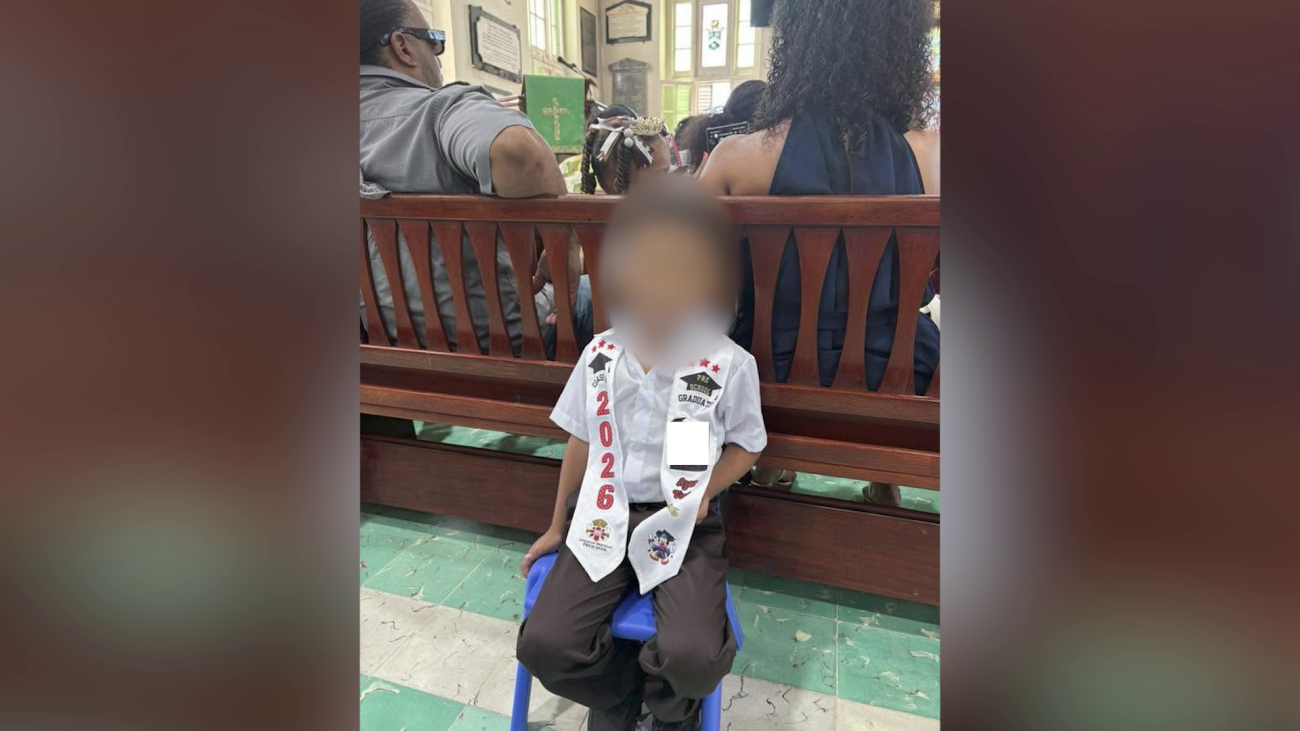
A preschool graduation meant to celebrate every child is now raising tough questions about inclusion. A Belize City family says their child with autism, along with two others, was set apart from their classmates during Friday’s ceremony at Anglican Diocesan Preschool, seated behind the main group and out of view during key moments. For them, it wasn’t just a seating arrangement, it felt like exclusion. Now, they’re speaking out, calling it a teachable moment for schools across the country. Autism Belize founder Christie Almeida agrees, saying it’s a chance to rethink how we include every child. News Five’s Britney Gordon has the story.
 Britney Gordon, Reporting
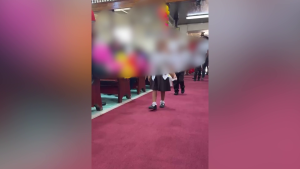
Instead of the pride and joy most families feel at graduation, one Belizean woman says she left outraged, walking out before the ceremony ended after witnessing what she believes was the exclusion of her autistic nephew. According to the child’s aunt, Fern Foster, on Friday at the Anglican Diocesan Preschool ceremony the four‑year‑old and two other students were placed behind the rest of the class, off to the side, and facing away from their peers.
Fern Foster
Fern Foster, Aunt of Graduate
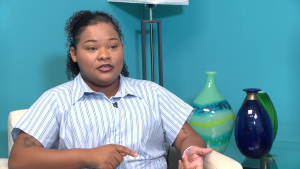
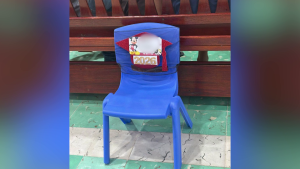
“I saw the chair in front of me. And it didn’t dawn to me to ask if that’s where he was going to be seated the entire ceremony. So I looked across, and I saw the other student. They were dressing him with his little pin and everything. So I said, “Oh, maybe these chairs are just here for us to get them ready.” He came they lined them up, and I said, “But the chair is still here.” So I asked his mom, I said, “Is this where he’s going to be seated?” And she said, “I think so.”
According to Foster parents crowded the photo area during the graduation, pushing her nephews chair to the back near the door.
 Fern Foster
“I said, is this really where they’re going to leave this baby? Look at the other side, the other baby is there, too. And I’m telling my niece. This is unfair. You should address it. Because I’m only the aunt, I can’t cause a scene over something like this, so address it. Your baby shouldn’t sit here. He’s a part of the class. Move the chair to the front of the aisle or something.”
After the ceremony, Foster took her frustration to social media and it struck a chord. Hundreds of Belizeans rallied in support, with parents of children with autism sharing similar experiences. Autism Belize founder Christie Almeida joined the discussion, pointing to a larger issue: gaps in awareness and communication.
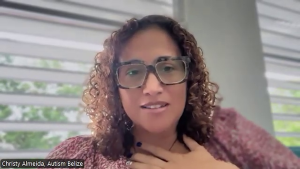
Christy Almeida
Christy Almeida, Founder, Autism Belize
“Every child will need different types of support. It’s going to look different for every child. What my child needs might be different than your child’s needs, whether your child is neurodiverse or not. And to make this work, especially when we are all still learning, as parents, as a community, as teachers, as administrators, we’re all still learning. The best way to make this work is to communicate.”
Foster says the family understands that some autistic children may need space to stay comfortable but insists the school could have handled it differently and found a more inclusive solution.
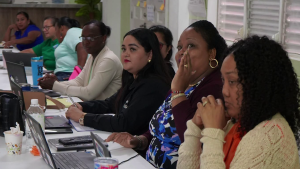 Fern Foster
“I don’t want to bash the teachers, Because their job is as hard as it is, but we could take initiative, empathize. They could have call a meeting with just the parents of the autistic kids and say, how do you feel about them sitting beside you? Or how do you feel about them sitting in front of you? They’re not going to be seen, but we really need this ceremony to go good. And you know your child. It’s not like you’re telling them news. They know ney baby ney autistic. So give them that opportunity.”
Belize is pushing for more inclusive classrooms. A new nationwide training program will certify fifty-five teachers and officers as inclusive education coaches, with plans to reach five hundred educators. The initiative focuses on better support systems, from Individual Education Plans to classroom strategies. Advocate Christie Almeida says raising autism awareness among teachers and strengthening support from aides for one-on-one care is a key step toward making every classroom truly inclusive. Britney Gordon for News Five.
Attention readers: This online newscast is a direct transcript of our evening television broadcast. When speakers use Kriol, we have carefully rendered their words using a standard spelling system.
Watch the full newscast here: