


Preserving Belize’s Rich and Diverse Food Heritage
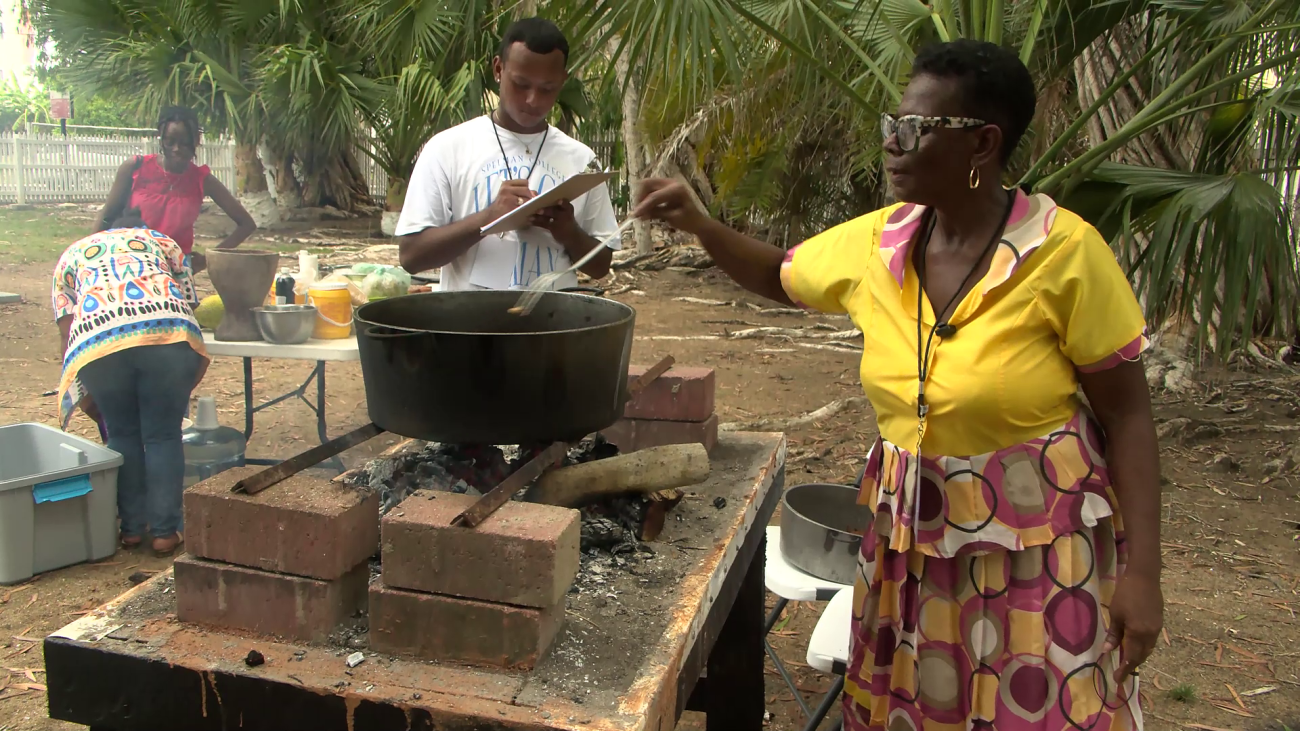
Belize’s rich culinary traditions took center stage in Belize City today as participants in the Belize Food Heritage Project rolled up their sleeves for a community cookout. The event formed part of an ongoing workshop aimed at documenting, preserving and celebrating the country’s diverse food culture. News Five was there and Shane Williams reports.
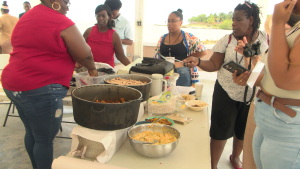 Shane Williams, Reporting
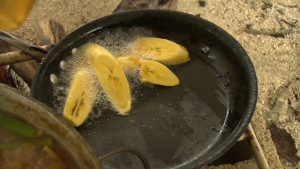
The crackling sound of banana fritters frying in hot coconut oil and strong aroma of well-seasoned fried snappers filled the air at the Museum of Belizean Arts today as the Belize Food Heritage Project hosted its Belize City cookout. The activity brought together chefs, cultural practitioners, community members and food enthusiasts as part of a wider initiative focused on safeguarding Belize’s culinary heritage. Rolando Cocom, Director of Institute for Social and Cultural Research, hopes to get Belizean food on the UNESCO Representative List of the Intangible Cultural Heritage of Humanity.
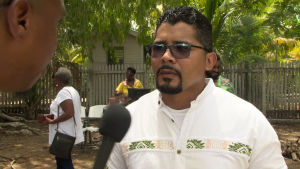
Rolando Cocom
Rolando Cocom, Director, Institute for Social and Cultural Research
“We hope to be able to display at the end of this project eighty food traditions, including their recipes and photos and videos. And so part of that we train the participants on how to take better photographs, how to take better videos and that is what they are doing today. We have the participants themselves cooking the food and also documenting the food, and this will be part of our national inventory. This is the same national inventory that allows us to submit international nominations, just as like the one we did in December where Christmas Brammen Sambar made it to the UNESCO representative list.”
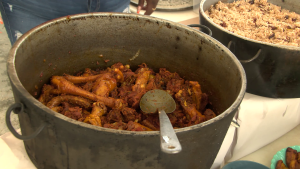
The cookout provided a hands-on opportunity for participants to share knowledge and demonstrate traditional methods of preparing some of Belize’s most beloved dishes, all on the fiyahaat. Racho Dolores’ Baselio Pook, who has been handling the fiyahaat for over eighteen years, says the secret is simple.
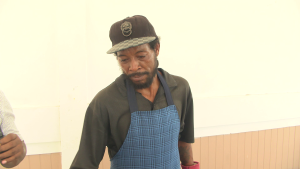
Baselio Pook
Baselio Pook, Chef
“Seasoning, brother. Seasoning. Everything belong to the seasoning. If the thing no season correct, you no want to eat them. And not put too much salt, because if it over salt, the worst, no want to eat them, right? And then me, I prefer the oak wood. The oak wood give my food taste.”
 Shane Williams
“Weh da the difference between the local chicken and the regular chicken?”
Baselio Pook
“The white chicken or the broiler chicken, then they more have a softer, more softer texture, right? But the local chicken where walk around in the yard and then graze and so they gonna more stiffer meat and more stiffer skin and everything, right? And it take little longer to cook, but definitely 100%, that one better taste chicken anyway”
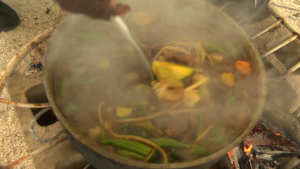 Chef Ainsley used his fiyahaat to prepare a rich beef soup with white rice and calalou.
Ainsley Castro
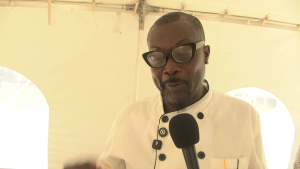
Ainsley Castro, Chef
“The key to a good fire heart beef soup that starting with the love that you’re preparing it with your mind, and make sure that it come out good. Don’t be frustrated or calm, and you do it. You cook it with a lot of love. So for you today, I did do a beef vegetable soup with a callaloo and a chaya white rice with freshly coconut milk, and also fire heart. I don’t do fire heart food for years now, so I had to test my skills and ah noh rusty. Ah still got mi lee thing up.”
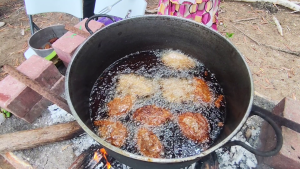 Sasha Eiley was paired with Dorla Guiterez who made fried fish, banana fritters, hiu and grape fruit porridge. But along with cooking techniques, the workshop is leaving her with the stories and traditions that make Belizean cuisine unique.
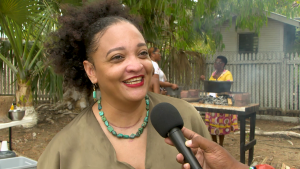
Sasha Eiley
Sasha Eiley, Chef
“I learned that rice and beans can be made five different type of ways. I learned about sweat rice, and it’s not the sweat rice you’re thinking about. It’s just the way the rice is prepared. I think in the Flowers Bank area, they said it’s the process of which they harvest the rice when it’s green and boil it. And after they’re finished boiling it they sun it and then beat it, and rice is brown at the end, and that’s sweat rice.”
Beyond preserving recipes, the initiative is also exploring how traditional foods can contribute to cultural tourism, economic opportunities and sustainable food systems across the country.
 Rolando Cocom
“Food heritage is also very much important part of our tourism experience, the cultural experience that Belizeans from the diaspora, but also friends of Belize who come to visit and are curious about our history and our culture, I think is very important.”
Ainsley Castro
“I always like sample. Want make sure I catch the calalou you know.”
 Shane Williams
“Weh Ih need? Weh ih need?”
Ainsley Castro
“Nothing else! This da love!”
Love, the secret ingredient to all great Belizean cuisine. Shane Williams for News Five.
Attention readers: This online newscast is a direct transcript of our evening television broadcast. When speakers use Kriol, we have carefully rendered their words using a standard spelling system.
Watch the full newscast here: